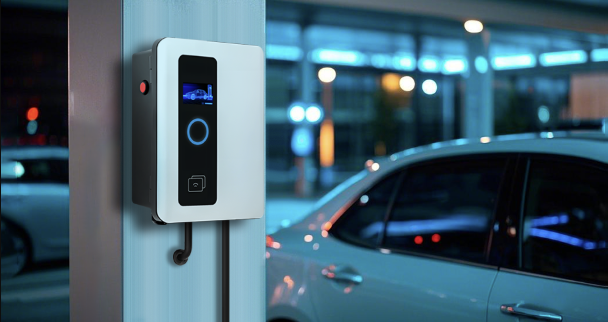
With the rise of electric vehicles (EVs), home electric car chargers have become an essential addition for modern households. These chargers allow EV owners to conveniently power their vehicles at home, offering speed, safety, and flexibility. Installing a home electric car charger ensures your vehicle is always ready to drive, reducing dependency on public charging stations and optimizing energy usage.
Why Home Electric Car Chargers Are Essential
Home electric car chargers provide several advantages over relying solely on public charging networks. They offer a reliable, cost-effective, and convenient solution for daily charging, making EV ownership simpler and more practical.
Benefits of Home Electric Car Chargers
- Convenience: Charge your EV anytime, eliminating trips to public stations.
- Faster Charging: Many home chargers provide quicker charging than standard outlets.
- Cost Efficiency: Take advantage of off-peak electricity rates to reduce costs.
- Safety: Home chargers include built-in protection against overloading, surges, and short circuits.
Types of Home Electric Car Chargers
Home electric car chargers are available in several types, each suited to different needs and electrical setups. Understanding the options helps EV owners make the best choice.
Level 1 Chargers
Level 1 chargers use a standard 120-volt household outlet. They are easy to use with no additional installation but offer slower charging speeds. A full charge can take 8–12 hours or more, making them suitable for plug-in hybrids or light daily driving needs.
Level 2 Chargers
Level 2 chargers require a 240-volt connection and provide faster charging, typically delivering a full charge in 3–8 hours. These chargers are the most popular choice for home installation due to their balance of speed, convenience, and efficiency.
Smart Home Chargers
home electric car chargers include advanced features like Wi-Fi connectivity, mobile app control, usage tracking, and scheduling. These chargers allow you to optimize charging times, monitor energy consumption, and integrate with renewable energy sources such as solar panels.
See also: Everything You Need to Know About Home Automation
How to Choose the Right Home Electric Car Charger
Selecting the right home electric car charger depends on your vehicle, daily commute, and electrical infrastructure. Here are key factors to consider:
Vehicle Compatibility
Ensure the charger supports your EV’s charging standard and maximum input capacity. Most modern chargers are compatible with common connectors, but always verify specifications.
Charging Speed
Decide how quickly you need your EV charged. Level 2 chargers offer faster charging compared to Level 1, making them suitable for daily commuting or multiple EVs in the household.
Electrical Setup
Assess your home’s electrical system to ensure it can support a Level 2 or smart charger. Some installations may require upgrading your circuit breaker or wiring.
Smart Features
Smart chargers enhance convenience with features like scheduling, remote monitoring, and energy management. Consider these options if you want to optimize electricity use and track charging efficiency.
Installation of Home Electric Car Chargers
Professional installation ensures safe, reliable operation of your home electric car charger. Steps include:
- Evaluating your electrical system to determine compatibility and capacity
- Installing a dedicated circuit and proper grounding
- Connecting the charger according to manufacturer and safety standards
- Testing the system to ensure safe operation
Hiring a licensed electrician guarantees that installation meets local building codes and reduces the risk of hazards.
Maintenance and Safety Tips
Proper maintenance ensures your charger remains efficient and safe:
- Inspect cables and connectors regularly for wear or damage
- Keep the charging area clean and free of obstacles
- Avoid using extension cords or damaged outlets
- Follow manufacturer instructions for updates and maintenance
Advantages Over Public Charging
Home electric car chargers provide the ultimate convenience and flexibility. You can charge your vehicle overnight, take advantage of off-peak electricity rates, and avoid long waits at public stations. This setup also reduces reliance on public infrastructure, allowing for a more sustainable and reliable charging experience.
Frequently Asked Questions
Q1: How long does it take to charge an EV at home?
Level 1 chargers take 8–12 hours or more, while Level 2 chargers typically take 3–8 hours depending on battery size and vehicle specifications.
Q2: Can any home support a Level 2 charger?
Most homes can accommodate Level 2 chargers, but some may require electrical upgrades. Always consult a licensed electrician before installation.
Q3: Are smart home chargers worth the investment?
Yes, smart chargers provide convenience, energy monitoring, and scheduling features, making them an excellent long-term investment.
Conclusion
Home electric car chargers are a practical, efficient, and safe solution for electric vehicle owners. They provide faster charging, cost savings, and unmatched convenience, ensuring your EV is always ready to drive. With options ranging from standard Level 1 chargers to advanced smart chargers, homeowners can select a solution tailored to their lifestyle and vehicle needs. Proper installation and maintenance maximize safety and performance, making home charging a reliable and sustainable choice for the future of transportation.