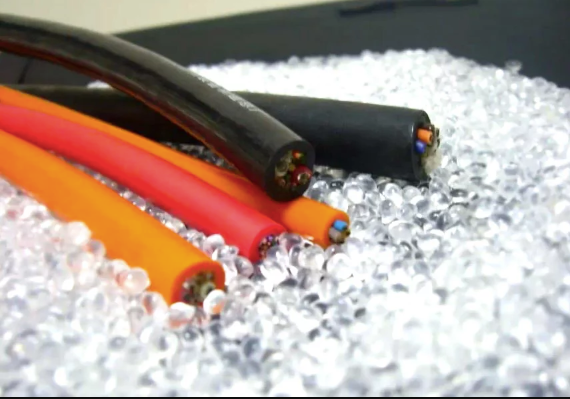
A UL TPU cable is a high-performance, flexible, and durable cable designed for reliable connectivity and safety. Widely used in electronics, charging devices, and industrial applications, UL-certified TPU cables offer strength, heat resistance, and longevity, making them a preferred choice for both consumers and professionals.
What Is a UL TPU Cable?
UL TPU cables are made from thermoplastic polyurethane (TPU), a material known for its toughness, elasticity, and resistance to abrasion. UL (Underwriters Laboratories) certification ensures the cable meets rigorous ul tpu cable safety and quality standards, guaranteeing safe operation under various conditions.
Key Features
- Durability: TPU’s toughness protects against bending, twisting, and wear.
- Flexibility: Flexible construction allows easy handling and installation.
- Heat Resistance: Can withstand high temperatures without deformation.
- Chemical Resistance: Resists oils, solvents, and other chemicals.
- Safety Certification: UL certification ensures electrical safety and compliance.
Benefits of UL TPU Cables
Enhanced Longevity
TPU cables are less prone to cracking, fraying, or breaking, making them ideal for daily use and demanding environments.
Reliable Performance
UL certification ensures consistent electrical conductivity, stable charging, and efficient data transfer.
Safety Assurance
With rigorous testing, UL TPU cables reduce risks of overheating, short circuits, and fire hazards.
Flexibility for Various Applications
These cables are suitable for consumer electronics, industrial machines, robotics, automotive wiring, and other specialized uses.
Environmental Resistance
TPU’s resilience to temperature fluctuations, moisture, and chemicals ensures reliable performance in diverse environments.
See also: What Role Awareness Plays in Choosing Citra 100mg And Treat Pain Effectively?
Common Uses of UL TPU Cables
- Charging Cables: For smartphones, tablets, laptops, and other devices.
- Data Transfer Cables: Stable and fast connections for USB, HDMI, or industrial applications.
- Industrial Applications: Wiring for machinery, robotics, and automated equipment.
- Automotive Wiring: Flexible and durable cables for vehicle electronics.
- Consumer Electronics: Headphones, power banks, and electronic accessories.
How to Choose the Right UL TPU Cable
Check Certification
Ensure the cable carries valid UL certification for safety and performance assurance.
Determine Application Needs
Select cables suitable for your specific device, voltage requirements, and usage environment.
Assess Length and Flexibility
Choose the appropriate length for convenience and ensure the cable is flexible enough for daily use.
Consider Durability
Look for reinforced connectors, strain relief features, and abrasion-resistant TPU material.
Verify Compatibility
Ensure the cable matches your devices’ ports and supports required data transfer or charging speeds.
Maintenance Tips for UL TPU Cables
- Avoid excessive bending near connectors to prolong lifespan.
- Keep cables away from sharp objects or high-friction surfaces.
- Clean cables with a soft, dry cloth to prevent dust and residue buildup.
- Store cables coiled loosely to prevent kinks and internal damage.
Conclusion
A UL TPU cable is an essential accessory for anyone seeking reliable, durable, and safe connectivity solutions. With its flexibility, abrasion resistance, and UL-certified safety, this cable type ensures stable performance for electronics, industrial applications, and automotive wiring. Choosing the right UL TPU cable can enhance device longevity, provide peace of mind, and deliver consistent results in any environment.
Frequently Asked Questions
1. What does UL certification mean for a TPU cable?
It ensures the cable has passed safety and quality testing, reducing risks of overheating, electrical faults, and fire hazards.
2. Why is TPU material used for cables?
TPU offers flexibility, durability, heat and chemical resistance, making cables long-lasting and reliable.
3. Can UL TPU cables be used for industrial applications?
Yes, their strength, heat resistance, and durability make them ideal for industrial, automotive, and specialized electronic applications.