The right cube sauna size is the smallest one that comfortably fits the number of people who will realistically use it on a normal week, not the largest one that fits the yard. Sizing too small means crowded, less frequent sessions; sizing too large means longer heat-up times and higher running costs for a cabin that sits mostly empty. Getting this right matters beyond comfort, because the health associations most often cited for sauna use come from frequent, regular bathing, and a poorly sized cabin is the single biggest reason people stop using one.
Why Realistic Household Use Should Drive the Size Decision
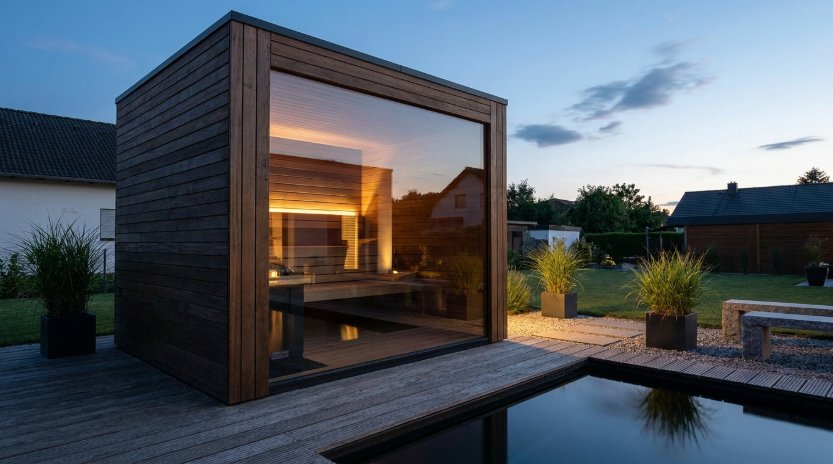
It is tempting to buy the largest cube sauna a budget allows, but capacity should be matched to how the space will actually get used most weeks, not to how many people could theoretically fit for a housewarming party. A couple that uses their sauna most evenings benefits more from a compact two- or three-person cabin that heats quickly and holds temperature efficiently than from a six-person unit that takes longer to warm and costs more per session to run for two people. A larger household, or a family that regularly hosts, gets more consistent value from a six-person model like the SaunaLife CL7G, which offers multi-level bench seating so bathers can choose a gentler or more intense heat zone depending on preference.
The Evidence Behind Frequency, and Why It Matters for Sizing
A 2018 review in Mayo Clinic Proceedings summarized cardiovascular associations tied specifically to how often people used a sauna, with more frequent bathers showing stronger associations than occasional users in the Finnish cohort data underlying much of this research. A separate systematic review in Evidence-Based Complementary and Alternative Medicine reached similar conclusions about regular dry sauna use. These are population-level associations, not proof that sauna use prevents disease in any one person, but the pattern is consistent: frequency appears to matter more than session length or heat intensity. That is the practical argument for sizing a cube sauna to whatever setup gets used several times a week rather than the one that looks most impressive but ends up used once a month.
Interior Dimensions Versus Footprint: What Actually Limits Comfort
Interior headroom and bench depth affect comfort more than raw square footage. The CL7G offers over seven feet of interior headroom and interior dimensions of roughly 87.5 inches wide by 70.8 inches deep by 85.5 inches tall, which is what allows six adults to sit without feeling stacked on top of each other. A smaller cabin with a low ceiling can technically list the same seating capacity on paper while feeling noticeably tighter in practice, because headroom and bench depth, not floor area alone, determine whether a session feels comfortable or cramped.
Matching Space Constraints to Realistic Options
Before comparing models, measure the actual install site, not just an approximate corner of the yard. Account for exterior dimensions, which run larger than interior dimensions once wall thickness is included, roughly 91 by 86.6 by 93 inches for a six-person cube unit. Add clearance on at least two sides for airflow, maintenance access, and code-required setback from property lines or structures once an electric heater is involved. A site that fits a six-person cabin’s exterior footprint with room to spare is a straightforward yes; a tighter site may be better served by a three- or four-person cube model instead of forcing a six-person unit into a space where it barely clears a fence or roofline.
The Cost and Efficiency Case for Right-Sizing
Every cubic foot of interior air a heater has to warm affects both heat-up time and ongoing electricity use. A six-person cabin needs a larger heater, commonly 8 kilowatts or more, and takes longer to reach target temperature than a compact two-person unit, which can matter on a weeknight when someone wants a quick twenty-minute session rather than committing to a longer warm-up. This is not an argument against buying a larger cube sauna if the household will use the full capacity regularly; it is a reason to be honest about typical use before paying for capacity that goes unused most nights. Reviewing full specifications at sweatdecks.com/products/saunalife-cl7g-6-person-outdoor-cube-sauna alongside smaller cube models is a practical way to compare interior volume and heater requirements side by side before deciding.
Signs You Are About to Undersize or Oversize
A common undersizing mistake is buying a two-person cabin for a household of four who plan to sauna together most nights, which forces rotating turns and cuts into how often the sauna actually gets used as a group. A common oversizing mistake is buying a six-person cabin for one or two regular users because the price difference looked small, then finding that heating a large cabin for a solo session feels wasteful enough to skip sessions altogether. Either mistake reduces frequency of use, which is the factor most tied to the associations reported in the sauna research. Sizing honestly to your actual weekly pattern, rather than to an occasional best case, is what keeps a cube sauna in regular rotation for years instead of becoming an expensive yard feature that gets used a handful of times a year.
What Bench Layout Means for Perceived Size
Two cube saunas with identical square footage can feel very different depending on bench layout. Multi-level seating, with a lower bench and a raised upper bench, lets bathers self-select a gentler or more intense heat zone within the same footprint, which effectively makes a mid-size cabin feel more flexible than its dimensions suggest. A single-level bench arrangement is simpler and cheaper to build but offers everyone the same heat exposure regardless of preference, which can be a limiting factor for a household where members want different intensities. Contoured benches with backrests also change how much usable seating a given bench length provides, since a flat board seats fewer people comfortably than a shaped one of the same length.
Door placement and glass front size factor in too. A full glass front wall, common on modern cube designs, adds a sense of openness that makes a mid-size cabin feel less enclosed than a solid-walled unit of the same interior dimensions, which is worth weighing if the household is sensitive to feeling boxed in during a session. None of this changes the physical capacity number, but it does affect how a given size is actually experienced session after session, which circles back to the same point: the size that gets used consistently is the one that matters, not the one with the highest capacity rating on paper.
Frequently Asked Questions
How much yard space does a six-person cube sauna need? Roughly an 8 by 8 foot footprint, plus 2 to 3 feet of clearance on the sides and more room in front of the door.
Is a bigger cube sauna always better for regular use? Not necessarily. Sizing to realistic household use gets used more consistently than sizing to occasional maximum capacity.
How does sauna size affect how often people actually use it? A well-matched cabin gets used more consistently, and consistent use is what the researched cardiovascular associations are tied to.
What heater size does capacity affect? Heater sizing follows cubic footage. A six-person cabin generally needs 8 kilowatts or more; a two- or three-person cabin can often run on 4.5 to 6 kilowatts.
References
- Cardiovascular and Other Health Benefits of Sauna Bathing: A Review of the Evidence, Mayo Clinic Proceedings, 2018
- Clinical Effects of Regular Dry Sauna Bathing: A Systematic Review, Evidence-Based Complementary and Alternative Medicine, 2018
- Effects of heat and cold on health, with special reference to Finnish sauna bathing, American Journal of Physiology, 2018
By Christine Baird