Storage Infrastructure Needs Targeted Protection
Racks are among the most valuable structures in any warehouse because they hold the products that keep the business moving. When a storage system is damaged, the cost is not limited to one repair point. It can affect product flow, employee safety, and overall continuity. Raysan’s main product overview shows that Flexible Barrier solutions are organised into specialised groups rather than treated as a one-size-fits-all system. That approach reflects the reality of modern industrial sites, where forklift routes, aisle widths, pedestrian areas, and storage lines all create their own pressure points. Effective protection starts with recognising that different areas need different levels and styles of defence.
Rack End and Leg Protection Matter More Than Many Facilities Expect
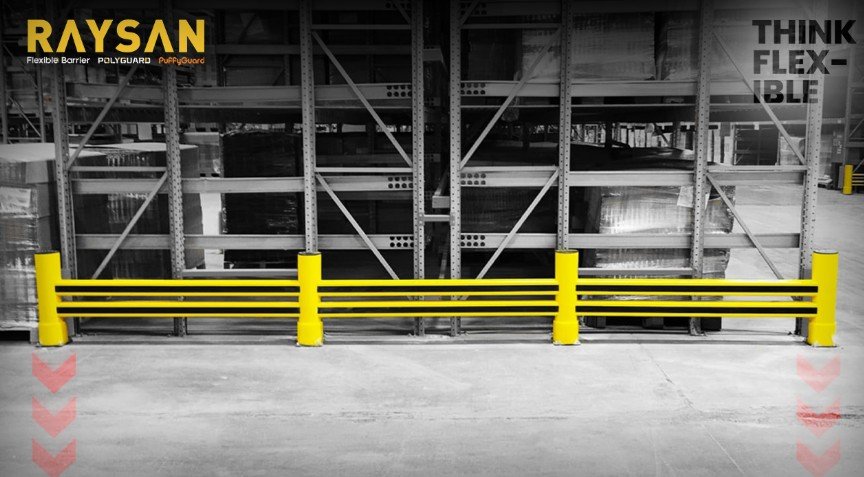
A Rack Protection Barrier is especially valuable because the most vulnerable parts of a rack are also the parts most likely to be exposed to routine contact. Raysan’s rack protections page lists multiple dedicated solutions, including RackFort EDGE, RackFort ARC, several rack end barrier models, and RackWall. The page also explains that these products can help protect shelf legs, shelf heads, shelf ends, and rear pallet placement areas. For warehouse managers, that means protection can be planned around actual rack behaviour instead of being added only after repeated damage occurs. This kind of planning helps turn safety from a reactive expense into a preventive investment.
See also: Payroll Outsourcing Companies: Choosing the Right Partner for Business Success
Warehouse Protection Should Support Daily Flow
The objective of a safer warehouse is not to fill every aisle with obstacles. It is to make movement more predictable while keeping assets better protected. Raysan’s article on Warehouse Safety Solutions describes storage and production sites as places where both vehicle and personnel traffic are intense and where rack protection barriers have become indispensable. That statement is useful because it frames protection as part of daily operations rather than a separate compliance layer. The right solution should support a cleaner traffic pattern, reduce accidental contact, and help the facility maintain order even during busy periods. When warehouses treat protection as part of layout strategy, they often gain more than reduced damage. They also gain better visibility, more confidence in traffic planning, and a stronger base for long-term operational efficiency.
For storage-heavy operations, the quality of protection planning often becomes visible only after months of use. Sites with better rack protection experience fewer avoidable disruptions and usually maintain a more controlled traffic pattern over time. That is why barrier strategy should be discussed alongside layout, not after repeated damage has already appeared. When warehouse protection is treated as part of the operational design, it becomes easier to support both safety and continuity. In busy facilities, that balance is one of the clearest signs of a mature and well-managed storage environment. It also gives managers a more stable foundation for protecting inventory, supporting staff confidence, and maintaining safer movement through demanding storage zones. Over time, that improves not only physical protection but also the overall discipline of warehouse movement and storage planning. It also supports a more professional response to growth, layout changes, and rising traffic intensity.