In retail, efficiency is rarely about cutting costs blindly, it’s about aligning resources with reality. One of the most overlooked realities in brick-and-mortar retail is customer traffic behavior. Stores often rely on intuition or static schedules to decide staffing levels, but intuition doesn’t scale. This is where the efficiency equation begins to shift. By analyzing traffic patterns through a footfall counter and interpreting insights using retail analytics software, retailers can optimize staffing with precision rather than guesswork.
Why Staffing Efficiency Is a Retail Growth Lever
Staffing represents one of the largest operational expenses for retail businesses. Understaffing leads to long queues, frustrated customers, and lost sales. Overstaffing, on the other hand, inflates costs without improving outcomes. The challenge lies in finding the balance and that balance changes daily, hourly, and seasonally.
Traditional staffing models assume predictable customer flow. Modern retail environments are far more dynamic. Promotions, weather, local events, and even social trends influence footfall. Without real-time visibility, retailers struggle to match staff availability with actual demand.
This is where data-driven staffing becomes essential.
Understanding Traffic Patterns Beyond Raw Numbers
Counting visitors alone doesn’t tell the full story. A footfall counter captures how many people enter a store, but optimization requires understanding when, how long, and how often customers visit.
Traffic patterns typically reveal:
- Peak and off-peak hours
- Weekday vs. weekend behavior
- Seasonal surges and slowdowns
- Impact of campaigns and promotions
When these patterns are analyzed through retail analytics software, raw data transforms into actionable intelligence that directly informs staffing decisions.
The Role of Footfall Counters in Workforce Planning
A modern footfall counter does more than count entrances. It provides granular visibility into customer movement across time intervals. Retailers can see traffic spikes down to 15-minute windows, enabling micro-level staffing adjustments.
For example:
- Morning traffic may require minimal staff focused on stocking
- Afternoon peaks may demand sales-heavy coverage
- Evening hours might need fewer associates but faster checkout support
By aligning schedules with footfall trends, stores reduce idle labor while maintaining service quality.
Turning Data into Decisions with Retail Analytics Software
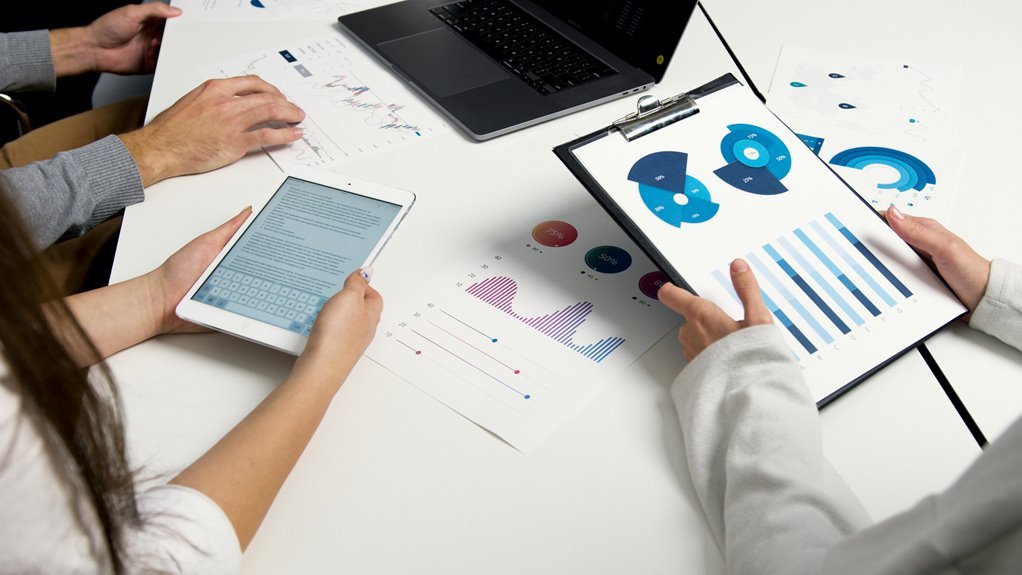
Data without interpretation is noise. Retail analytics software bridges the gap between footfall data and operational strategy. It aggregates traffic data, overlays it with sales and conversion metrics, and highlights inefficiencies.
Key insights include:
- Sales per staff hour
- Conversion rates by time of day
- Staff-to-customer ratio benchmarks
- Performance comparison across locations
With these insights, managers can justify staffing changes based on evidence rather than assumptions. Over time, this leads to leaner operations and improved profitability.
Matching Staffing Levels to Customer Intent
Not all footfall is equal. Ten browsers don’t require the same staffing approach as ten high-intent buyers. Advanced retail analytics software correlates footfall counter data with transaction data to identify intent-driven traffic.
This allows retailers to:
- Schedule experienced staff during high-conversion periods
- Assign support roles during browsing-heavy windows
- Optimize checkout staffing during transaction peaks
The result is smarter workforce deployment that enhances both customer experience and staff productivity.
Reducing Burnout While Improving Service
Poorly optimized staffing doesn’t just hurt profits, it affects employee morale. Chronic understaffing leads to burnout, high attrition, and inconsistent service. Overstaffing can reduce engagement and accountability.
By using a footfall counter to anticipate demand and retail analytics software to plan accordingly, retailers create more predictable workloads. Employees feel supported during busy hours and aren’t left idle during slow periods. This balance improves retention and overall service consistency.
Seasonal and Event-Based Staffing Optimization
Retail traffic is rarely linear. Festivals, sales events, and holiday seasons cause dramatic fluctuations. Historical data from a footfall counter helps retailers prepare for these shifts instead of reacting to them.
With retail analytics software, businesses can:
- Forecast staffing needs for upcoming seasons
- Compare year-over-year traffic trends
- Measure the staffing impact of past campaigns
- Adjust schedules proactively
This forward-looking approach turns staffing into a strategic advantage rather than an operational headache.
Multi-Store Consistency Through Centralized Insights
For retailers operating multiple locations, staffing inconsistencies are common. One store may be overstaffed while another struggles during peak hours. Centralized retail analytics software solves this by standardizing insights across locations.
By analyzing footfall counter data at scale, brands can:
- Identify high-performing staffing models
- Replicate success across stores
- Adjust staffing based on local traffic behavior
- Benchmark performance objectively
Consistency improves brand experience while still allowing for local flexibility.
Measuring the ROI of Optimized Staffing
The impact of traffic-based staffing is measurable. Retailers who integrate footfall counter data with retail analytics software often see:
- Higher conversion rates
- Reduced labor costs
- Shorter wait times
- Improved staff productivity
- Better customer satisfaction scores
These metrics prove that staffing optimization isn’t just operational, it’s directly tied to revenue growth.
Conclusion: Solving the Efficiency Equation
The efficiency equation in retail is no longer theoretical. Optimizing staffing levels through traffic patterns is a practical, proven strategy. A footfall counter provides the raw visibility, while retail analytics software delivers the intelligence needed to act on it.
Retailers who embrace this approach move from reactive scheduling to predictive workforce planning. They serve customers better, empower employees, and protect margins, all by letting data lead the way.
Frequently Asked Questions (FAQs)
1. How does a footfall counter help with staffing optimization?
A footfall counter tracks customer entry patterns, helping retailers understand peak and low-traffic periods. This data enables smarter staffing schedules aligned with real demand.
2. Is retail analytics software necessary if I already have footfall data?
Yes. Retail analytics software transforms footfall counter data into actionable insights by correlating traffic with sales, conversion rates, and staffing performance.
3. Can small retailers benefit from traffic-based staffing?
Absolutely. Even single-store retailers can reduce labor costs and improve service quality by using a footfall counter and basic retail analytics software.
4. How often should staffing schedules be reviewed using traffic data?
Ideally, schedules should be reviewed weekly, with monthly and seasonal trend analysis using retail analytics software for long-term optimization.
5. Does optimizing staffing through traffic patterns improve customer experience?
Yes. Proper staffing during peak hours reduces wait times, improves service availability, and creates a smoother in-store experience.