A high-quality mechanical starter gives industrial operators the freedom to start engines without relying on batteries, electrical systems, or charging infrastructure. For facilities and operations where engine reliability is a safety and productivity imperative, understanding the full range of mechanical starting solutions is essential to making the right equipment choices.
Defining Mechanical Starting Technology
Mechanical starters encompass any starting device that delivers cranking torque through stored mechanical energy rather than electrical power. The most widely used form stores energy in a compressed spring, but pneumatic and hydraulic starters also fall into this category. What unites them is independence from electrical systems—a characteristic that makes them uniquely valuable in specific operational contexts.
The appeal of mechanical starting technology has grown alongside increasing awareness of electric system vulnerabilities. Grid instability, battery supply chain issues, and the operational complexity of maintaining battery banks in remote locations have all contributed to renewed interest in proven mechanical approaches.
Spring Starter vs. Pneumatic Starter
Spring Starters: Pure Mechanical Energy
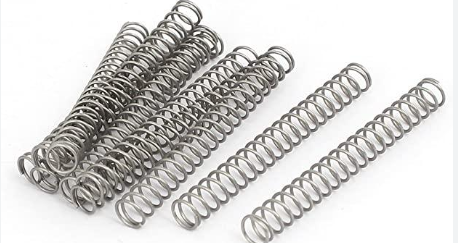
Spring starters store energy mechanically and require no secondary infrastructure. A technician winds the spring, and the stored energy is available indefinitely. This makes them ideal for emergency standby applications and remote locations without compressed air systems.
Pneumatic Starters: Compressed Air Power
Pneumatic starters use compressed air to drive a turbine or piston that cranks the engine. They offer high torque output and rapid cycling, but require a compressed air supply—compressors, receivers, and distribution lines. This infrastructure requirement limits their applicability in remote or resource-constrained environments.
Choosing Between the Two
When compressed air infrastructure already exists, pneumatic starters offer advantages in large engine applications. When no such infrastructure is available, the spring starter’s self-contained design makes it the practical choice.
Key Applications for Mechanical Starters
Mechanical starters find their most critical applications in scenarios where electric starters cannot be relied upon:
- Arctic and sub-zero operations where battery performance is severely compromised
- Offshore platforms where saltwater corrosion and explosion risks make electric starters problematic
- Emergency standby systems where certainty of starting is non-negotiable
- Remote power generation where no charging infrastructure exists
- Hazardous atmosphere environments requiring ATEX or IECEx certified equipment
- Military and defense applications requiring battery-independent operation
Understanding Torque Requirements
The fundamental criterion for any starter selection is torque. The starter must generate sufficient torque to overcome engine compression and friction, accelerating the crankshaft to the minimum speed required for combustion. This threshold, called the minimum cranking speed, varies by engine design and temperature.
Undersizing a starter leads to failure to start, particularly in cold conditions where oil viscosity increases resistance. Oversizing wastes money and space. Proper engineering analysis of the specific engine’s requirements, combined with the manufacturer’s technical guidance, ensures correct sizing.
Reliability Engineering Principles
What makes a mechanical starter genuinely reliable? Several engineering principles contribute:
- Simplicity: fewer components mean fewer failure modes
- Material quality: premium alloys resist fatigue and corrosion over long service lives
- Manufacturing precision: tight tolerances ensure consistent performance
- Tested design: units validated through thousands of cycles before shipment
- Environmental sealing: proper ingress protection prevents contamination
Total Cost of Ownership Analysis
When evaluating mechanical starters against electric alternatives, a comprehensive cost analysis should include initial purchase price, installation costs, maintenance costs over the expected life, downtime costs attributable to starting failures, battery replacement cycles for electric alternatives, and charging infrastructure costs. On this basis, mechanical starters often provide superior economics over multi-year operational periods, particularly in demanding environments.
Frequently Asked Questions
How cold can a mechanical starter operate?
Quality mechanical spring starters are rated for operation from -40°C to +80°C or beyond, covering virtually all industrial operating environments on Earth.
Do mechanical starters require certification for hazardous areas?
For use in explosive atmospheres, starters require appropriate ATEX or IECEx certification. Always verify certification status when specifying starters for hazardous area applications.
What is the expected service life?
Well-maintained mechanical starters can provide service lives exceeding ten years and tens of thousands of start cycles. Regular maintenance is the key to achieving maximum longevity.
Conclusion
The mechanical starter represents decades of engineering refinement applied to one of industry’s most fundamental needs: reliable engine starting. For operations where electric starters fall short, this technology delivers the dependability that keeps facilities running and people safe. Selecting and maintaining the right mechanical starter is one of the most impactful reliability investments an operator can make.