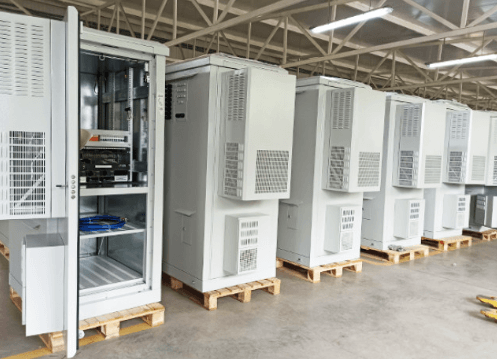
Reliable network infrastructure begins with the right housing. Telecom enclosures protect sensitive electronics from environmental and physical threats, ensuring continuous network operation across diverse conditions. Whether you’re planning a small urban installation or a large-scale rural network rollout, choosing the correct enclosure type and specification is essential for long-term success.
The Role of Telecom Enclosures in Modern Networks
Modern telecommunications networks depend on distributed equipment installations across hundreds or thousands of sites. Each site requires an enclosure that can protect hardware from rain, dust, heat, cold, and unauthorized access. The enclosure essentially creates a controlled microenvironment that extends equipment life and reduces maintenance costs.
Indoor vs. Outdoor Telecom Enclosures
Indoor enclosures prioritize organization and aesthetics, with open ventilation and easier cable management. Outdoor enclosures, by contrast, require weatherproofing, thermal management, and robust physical security. Many deployments require both types working together.
Standard vs. Custom Enclosures
Standard enclosures are cost-effective and available with short lead times. Custom enclosures are designed to specific requirements, including unusual dimensions, integrated power systems, or specialized thermal management. Custom solutions are often necessary for unique deployment environments.
Specifications That Matter Most
When evaluating telecom enclosures, several specifications directly impact performance and longevity. These include IP rating, operating temperature range, material gauge and coating, rack unit capacity, and cable management options.
Ventilation and Cooling Systems
Passive ventilation through filtered vents suits mild climates, while active cooling with fans or heat exchangers is necessary for hot environments or high-density equipment deployments. Always calculate the heat load before selecting a thermal management system.
- IP55 minimum for outdoor installations
- Cold-rolled steel with zinc or powder coating for durability
- Configurable rack rails for equipment flexibility
- Multi-point locking for enhanced security
- Integrated surge protection options
Cost Considerations and Total Cost of Ownership
The purchase price of an enclosure is just one component of the total cost. Consider installation costs, ongoing maintenance, energy consumption of cooling systems, and the potential cost of equipment damage or network downtime if the enclosure fails. Investing in quality upfront typically delivers significant savings over the equipment lifecycle.
See also: Accounting Services Hong Kong: A Complete Guide for Businesses
Frequently Asked Questions
How do I determine the correct enclosure size?
Inventory all equipment to be housed and calculate total rack units required. Add capacity for airflow and future expansion, typically 20-30% above current needs.
What are the most common telecom enclosure materials?
Cold-rolled steel with powder coat finish is most common. Aluminum is used where weight and corrosion resistance are priorities. Stainless steel is chosen for the harshest environments.
How long do quality telecom enclosures last?
Well-manufactured enclosures from reputable suppliers typically have service lives of 15 to 25 years when properly installed and maintained.
Conclusion
Telecom enclosures are the foundation of reliable network infrastructure. telecom enclosures. By matching enclosure specifications to your specific deployment environment and equipment requirements, you can ensure that your network operates at peak performance throughout its service life. Partner with an experienced supplier who can provide both standard and custom solutions backed by strong technical support.